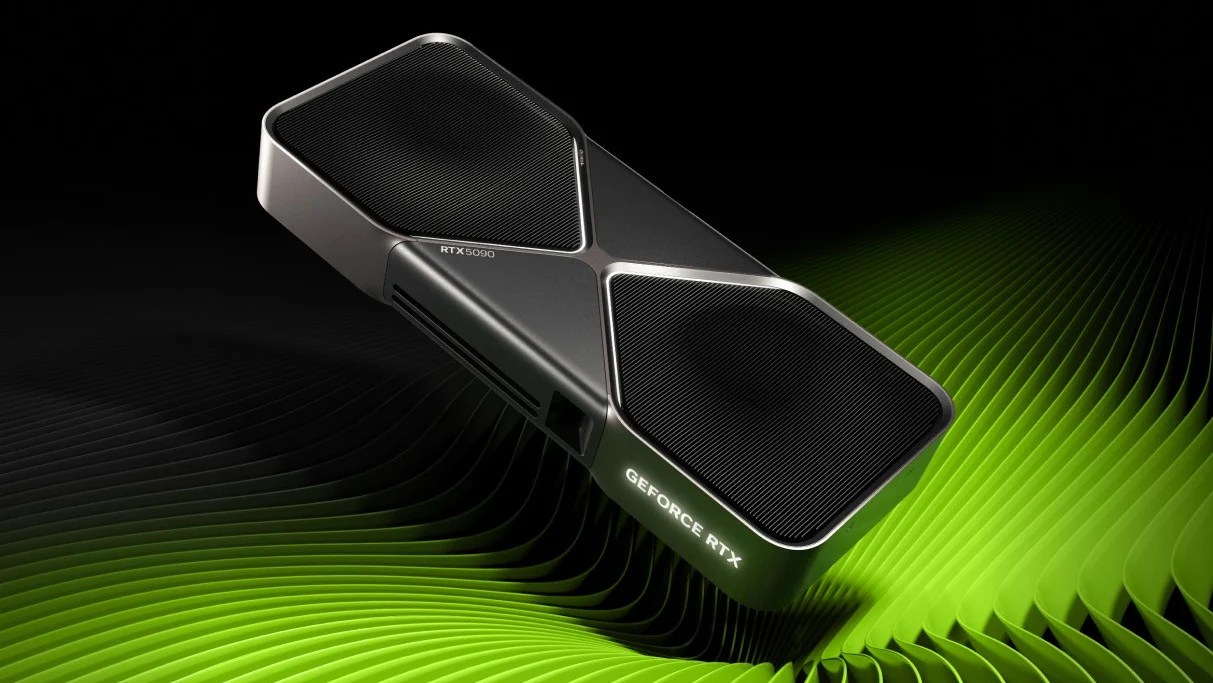
The Great GPU Price Surge of 2026: A Troubling Trend
The world of graphics cards has taken a bizarre turn, with prices reaching astronomical levels. The Nvidia RTX 5090, a top-tier GPU, is now a symbol of this absurdity, sporting a jaw-dropping price tag of $7,500 at Best Buy. This isn't some rare occurrence; it's the new normal, and it's alarming.
What's even more surprising is that this isn't the work of opportunistic third-party sellers. Major retailers like Best Buy and Amazon are listing these prices, leaving consumers with little choice but to pay up or give up. The market has been flipped upside down, and it's all due to the insatiable demands of AI server warehouses.
A Perfect Storm for Price Hikes
The RTX 5090's price hike is a culmination of various factors. Initially, crypto mining drove up GPU prices, and now genAI has taken the baton, creating a perfect storm. The 5090, being the pinnacle of consumer GPUs, has always been pricey, but the current situation is unprecedented. Its price has doubled since its launch in January 2025, and the 6000 range is nowhere to be seen on home desktops.
Usually, we'd expect prices to drop as a GPU becomes more common, but the opposite is true here. The scarcity of supplies is a clear indication of the intense pressure from AI-related demands. What many don't realize is that this isn't just about gamers; it's a reflection of the growing power and influence of AI in our daily lives.
The Broader Impact and a Glimpse into the Future
This trend has significant implications for the tech industry and consumers alike. The 5080, a less powerful sibling, is more accessible but still carries a hefty price tag. Building a new PC has become a costly endeavor, and the dream of 4K gaming at top specs is fading for many. This isn't just a gamer's problem; it's a sign of a larger shift in the tech landscape.
Personally, I find it intriguing how the GPU market is mirroring the broader tech industry's struggles. The demand for AI processing power is reshaping the market, leaving consumers with limited options. It's a stark reminder that technology isn't always about progress; sometimes, it's about navigating the challenges it presents.
In conclusion, the current GPU price surge is more than just a financial burden. It's a window into the future, where AI's growing appetite for processing power may continue to drive up costs and limit accessibility. As an analyst, I can't help but wonder what the next few years will bring and how consumers will adapt to this new reality.