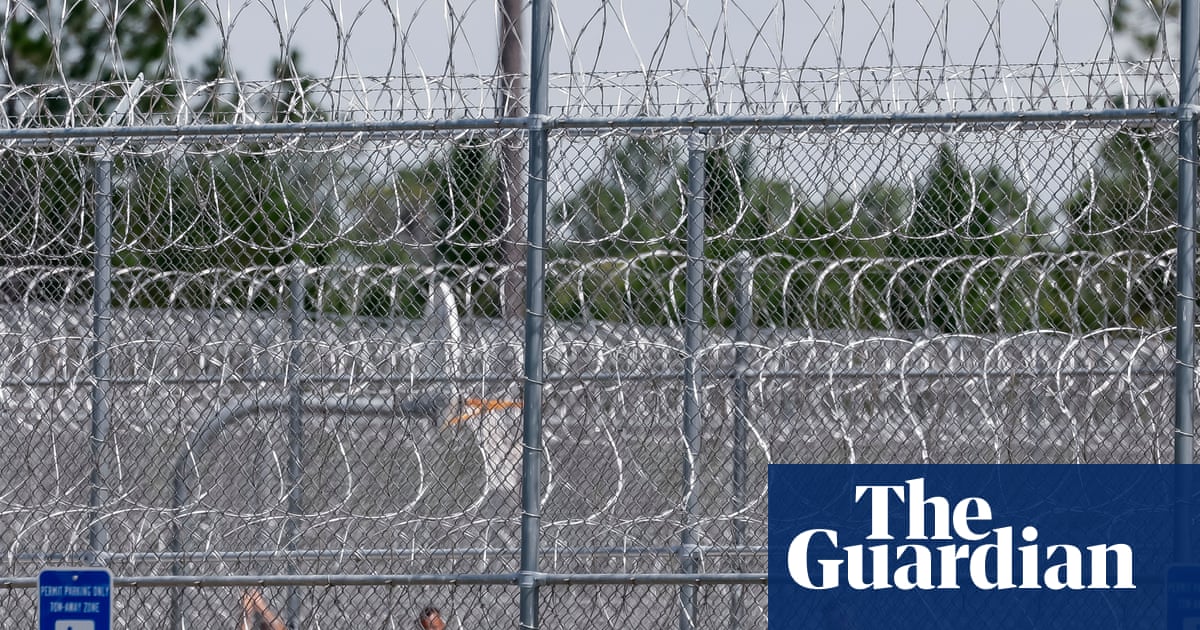
An immigrant detained at a large detention complex in Georgia died last week, drawing renewed attention to a facility already facing intense scrutiny over its response to an ongoing hunger strike. The incident at the D Ray James facility in Folkston follows weeks of demonstrations by detainees protesting prolonged captivity and challenging conditions within the system.
Federal immigration officials confirmed the death, stating that facility staff found the 48-year-old detainee from El Salvador with a ligature around his neck. State law enforcement agencies have initiated an in-custody death investigation, while federal authorities have not responded to requests for comment regarding the circumstances surrounding the event or the concurrent protests.
The facility is operated by a private prison contractor under federal oversight. Advocacy organizations have raised concerns regarding safety and accountability within the complex, calling for independent investigations and immediate changes to facility operations.
Simultaneously, a separate group of detainees has maintained a hunger strike for nearly three weeks. Participants and legal advocates report that the striking individuals are protesting their confinement conditions and demanding faster processing of their legal cases through the immigration system. Some detainees involved in the protest have described severe physical exhaustion and alleged that staff have threatened them with force-feeding procedures.
Legal and medical experts have long debated the practice of force-feeding hunger strikers, with human rights advocates condemning the intervention while federal filings often defend it as a measure necessary to maintain order and preserve life. Tracking data indicates that federal authorities have sought court authorization for force-feeding in multiple instances nationwide over recent years.
The broader context involves rising numbers of individuals held in immigration custody as enforcement operations continue. Observers and researchers studying the immigration system point to a steady accumulation of fatalities in custody, prompting ongoing debates about accountability, humane treatment, and the overall management of long-term detention facilities.
Reactions to these developments reflect deep divisions among the public and commentators. Some express profound concern over the conditions and the cumulative toll on individuals within the system.
The body count in this facilities is obscene. But that fits with every other part of the process.
Others point to the broader philosophical divide surrounding immigration enforcement policy.
There is a heartless logic to it.
If you want people to stop coming you have to make things worse for them up here then down there, and well, making things up here worse then Haiti or Venezuela requires some really bad shit.
Concerns have also been raised about public fatigue and the normalization of institutional hardship over time.
Notice how there are less and less people are commenting on people dying in ICE facilities in the past the outrage can be seen in the comments now it’s minimal.
ICE deaths have been normalized, ICE cruelty has been normalized, American cruelty has been normalized, this is the new America 🇺🇸.
As investigations proceed and legal proceedings continue for those remaining in detention, the situation highlights the complex tensions between administrative enforcement policies, detainee rights, and the operational realities of private prison management.

