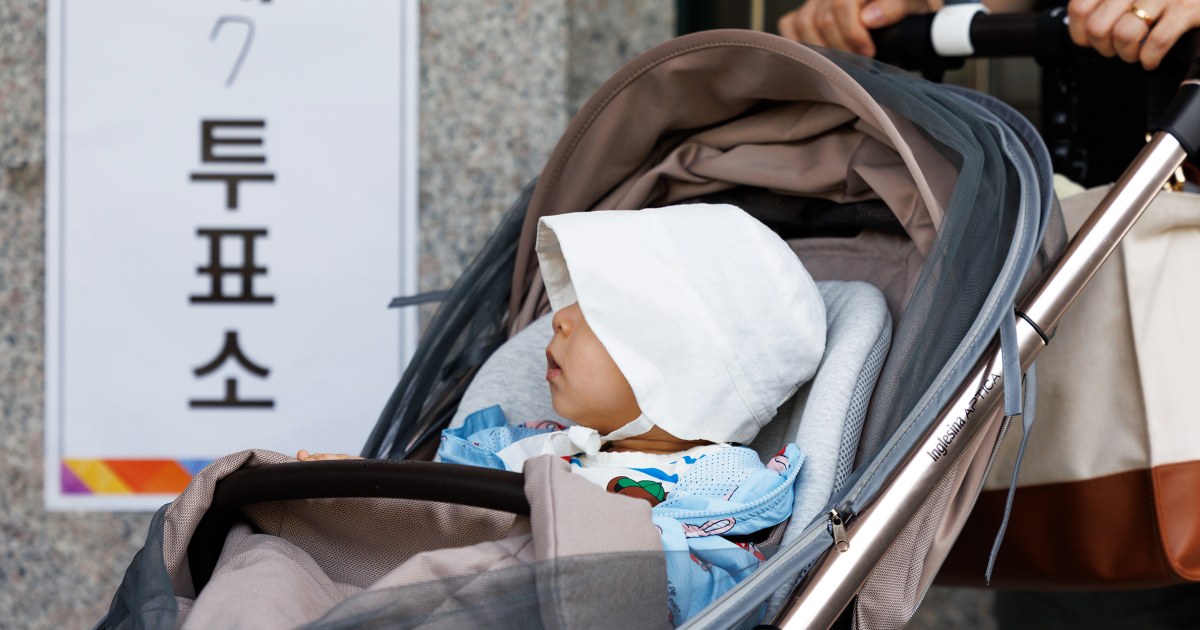
For years, South Korea held the unwelcome distinction of having the lowest birth rate in the world. With a record low of 0.72 children per woman in 2023—drastically below the 2.1 replacement rate required to maintain a stable population—the country became a focal point for discussions on global demographic decline. However, a combination of targeted government measures, urban family-support initiatives, and aggressive corporate incentives has recently nudged the fertility rate back up past 0.9.
While the national number remains well below sustainable replacement levels, the upward tick has sparked renewed discussion about what it actually takes to encourage young people to start families in modern, high-pressure economies.
The Financial and Workplace Reality
Much of the resistance to child-rearing in South Korea stems from staggering living costs, fiercely competitive social structures, and inflexible workplace expectations. Traditional cultural norms often place disproportionate caregiving burdens on women, while both prospective parents feel compelled to pour vast financial resources into early education.
Recognizing these structural hurdles, some private sector employers have begun experimenting with radical solutions. For instance, a major South Korean video game company introduced a substantial financial support program, offering new parents significant cash bonuses alongside extended parental leave and workplace childcare services. Employees taking advantage of these policies note that the assistance relieves immediate financial pressures during the critical early months of parenthood, giving them the breathing room needed to contemplate a family.
Observers point out that economic pressures extend far beyond initial baby bonuses, noting that "many economies punish people for having kids, especially women. No or little parental leave, expensive childcare, loss of job or promotion opportunities, expensive housing, etc."
Urban Initiatives and Cultural Shifts
Nowhere is the demographic challenge more acute than in Seoul, home to roughly half of the nation's population. In response, municipal authorities have rolled out a series of targeted programs designed to remove friction from daily family life. These include subsidies for postpartum care centers, expanded infertility support, and the establishment of affordable neighborhood play spaces known as kids' cafés, which offer low-cost or free admission for families with multiple children.
Beyond institutional policies, local families acknowledge the gradual improvements in daily infrastructure. Parents navigating the city note that while the systemic challenges are far from resolved, the expanding network of accessible children's facilities and public support makes the day-to-day reality of raising young kids noticeably more manageable.
At the same time, experts caution that numerical rebounds should be viewed with cautious optimism. Survey data indicates that public attitudes toward marriage and family life have shown signs of improvement, buoyed partly by a post-pandemic surge in postponed weddings. Yet researchers emphasize that long-term demographic stability requires more than temporary cash injections or isolated infrastructure projects; it demands a fundamental rethinking of work-life balance and societal support systems to ensure that children can thrive as they grow.

