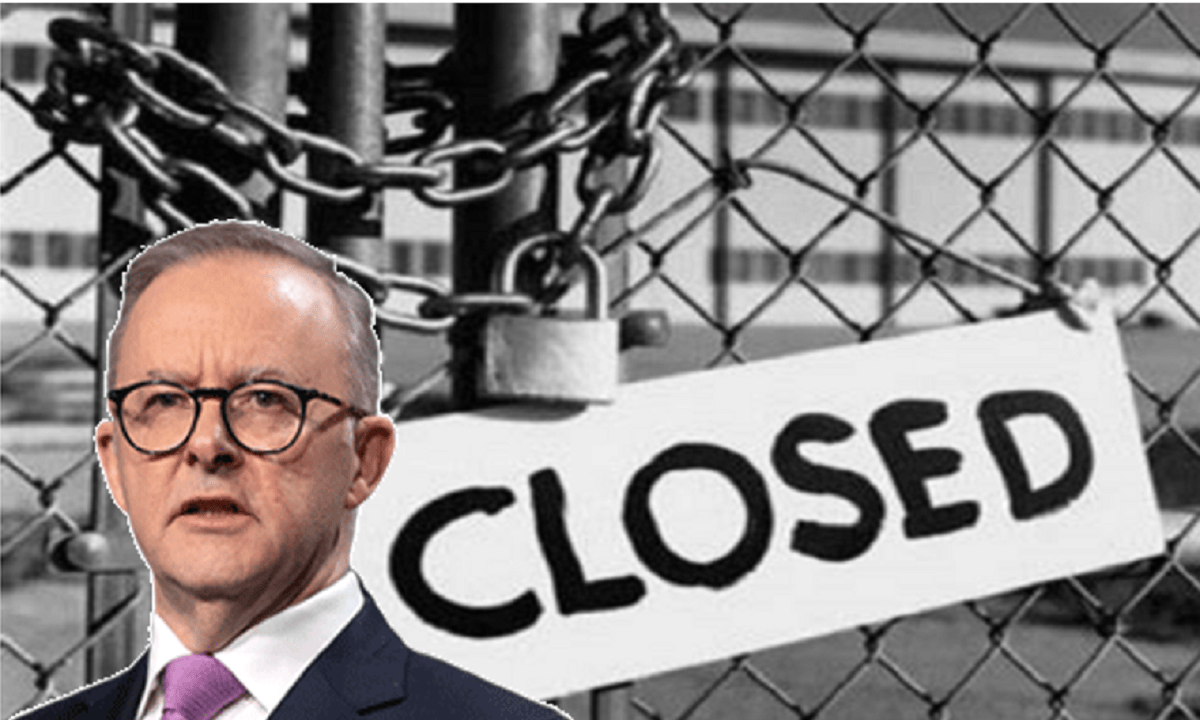
The Australian Business Climate: A Looming Crisis?
The recent NAB Business Survey paints a grim picture of the Australian business landscape, with conditions at their lowest since the pandemic. This is a significant development, as it suggests a potential crisis for the country's economy. The survey's findings indicate that a growing number of businesses are facing a margin squeeze, a situation where elevated costs and higher interest rates are squeezing profits.
This is a critical issue, as it highlights the challenges faced by businesses in a rapidly changing economic environment. The margin squeeze is a result of the combined impact of rising costs and interest rates, which are both global trends. This situation is particularly concerning for small and medium-sized enterprises (SMEs), which often have limited resources and flexibility to adapt to such changes.
In my opinion, this is a wake-up call for the Australian government and policymakers. They need to take immediate action to address the challenges faced by businesses, especially SMEs. This could include providing financial support, such as grants or low-interest loans, to help businesses weather the storm. Additionally, the government should focus on reducing the cost of doing business, such as by streamlining regulations and reducing the cost of energy.
What makes this situation particularly fascinating is the potential long-term implications. If businesses continue to struggle, it could lead to a decline in investment, which would further weaken the economy. This could have a ripple effect, impacting industries and communities across the country. Therefore, it is crucial to address this issue promptly and effectively.
One thing that immediately stands out is the need for a comprehensive strategy to support businesses. This should include both short-term measures to provide immediate relief and long-term strategies to build resilience. The government should also consider the impact of this crisis on different sectors and industries, as the effects may vary significantly.
What many people don't realize is that this crisis is not isolated to Australia. Many countries around the world are facing similar challenges due to the global economic climate. This makes it even more important for Australia to take proactive steps to support its businesses and ensure a robust economic recovery.
If you take a step back and think about it, the margin squeeze is a symptom of a broader issue. It reflects the increasing complexity and volatility of the global economy. This raises a deeper question: How can we better prepare our businesses and economies for such challenges in the future?
A detail that I find especially interesting is the role of interest rates. While higher interest rates are a necessary tool for managing inflation, they can also have a significant impact on businesses. This highlights the delicate balance that policymakers must strike when making economic decisions.
What this really suggests is that the current economic climate is a complex and dynamic one. It requires a nuanced approach that considers the needs of businesses, consumers, and investors. As an economist, I believe that the government's response will be crucial in shaping the future of the Australian economy.
In conclusion, the NAB Business Survey's findings are a stark reminder of the challenges facing Australian businesses. It is a call to action for policymakers to take swift and effective measures to support businesses and ensure a sustainable economic recovery. The future of the Australian economy depends on it.